
Day 53: May 25, 2026
On his 10th day of waiting out the river breakup, Will continues to reflect on the path that led him to the creation of the Steger Center, focusing on the “case study” of the Trans-Antarctic Expedition as the model of what can be achieved when small groups of leaders come together for a common purpose.
-
Hello, this is Will here, May 25th, day 52. This is my 10th day here of waiting for the ice to go out. When I came here 10 days ago, there was still 2 1⁄2, 3 feet of snow in the forest here. In fact, there hadn't been a thaw here yet. And that first 5 days of the wait here, it progressively got warmer every day. It really looked like I was on the way to break up. The ice actually on those first 5 days, the river itself broke up, which is normal. That's the first process. But when the ice all breaks up, it's like a puzzle. You break up the ice into thousands of pieces, and then that starts drifting down the river, and that jams up again. It just stops it because there's so many pieces. There's also sections of the river that haven't completely broken up. So you have this river. It's jammed up. In other words, it's in pieces, but it's not a one solid piece anymore. And that's your first process of the breakup.
And we were along that process. And the second step of that process is good old warm weather. And day 5 of my wait here, we had 48 degrees. It was getting warmer every day, and it wasn't freezing anymore. So it looked like the second phase is where you get the warm weather, which deteriorates the ice more. And then this whole ice movement starts happening, and you get these ice dams and so forth.
But then for almost five days, the north wind came in five days ago. And I've had this utterly miserable weather of thick clouds, north wind, cold weather. And now it's been freezing at night. The river is still open because of the current. But ... and then this morning, I looked out, and it was just real thick, wet snow falling. And it was like the worst possible miserable. [...]
I actually had a sense of, when I looked at that, I had this sense of joy. I had a sense of hope of what it would be like and how glorious it will be like when I see the sunshine again, which hopefully will be soon. And I take my rounds here, a couple walks every day. So in the evening, finally it stopped snowing. I walked up the river to take a look at the ice dam, and there's a little bit of a south wind blowing now. So that is positive. So I'll see how that goes.
I was, the last couple times, talking about, if anyone's been following, about the Steger Center, about the goal there of small teams of higher-level leaders solving seemingly insolvable problems. And I used the Trans-Antarctica Expedition in 1990 as my model, my case study. Because on that one, it was through a chance meeting of Jean-Louis Étienne, a French physician in the middle of the Arctic Ocean, just him and I met, you know, the chance of that happening. I have no idea. And it was through the ideas we had in his tent, which launched this Trans-Anthalica Expedition, which then ended up being a huge expedition and of [...] countries involved and so forth, which ended up reversing what was going to be opening up the treaty for exploring for minerals. So we ended up reversing all 27 treaty nations.
And that was, I think, for myself, the most empowering thing I've ever been involved in. And it was so much bigger than, Jean-Louis and I, of course, and anyone involved in it. There were so many people from so many different countries and higher-level people, and all the way there was school kids involved. And it was a huge event, and where the goal was greater than, greater than ourselves. And that was the real power of Trans-Antarctica was this goal. And that's why I really, I know, is why our team really held together. And our goal was international cooperation. And as a team, we felt we had to be, if we're talking that, we had to be the best of friends at the end. And I think the real goal of saving Antarctica, of protecting Antarctica, kept us alive during the worst times during the storms. And so that goal is very important. So that empowered me to launch the Center back in 1990, the actual building of it. But it took me another, almost another 40 years of building up credibility and more nonprofits, more expeditions, and to get an eventually good spot where I'm at now, where I now have an organization. And now we're starting to grow and raise money and finally fund, finish the whole thing.
[audio cuts out before Will is able to sign off]
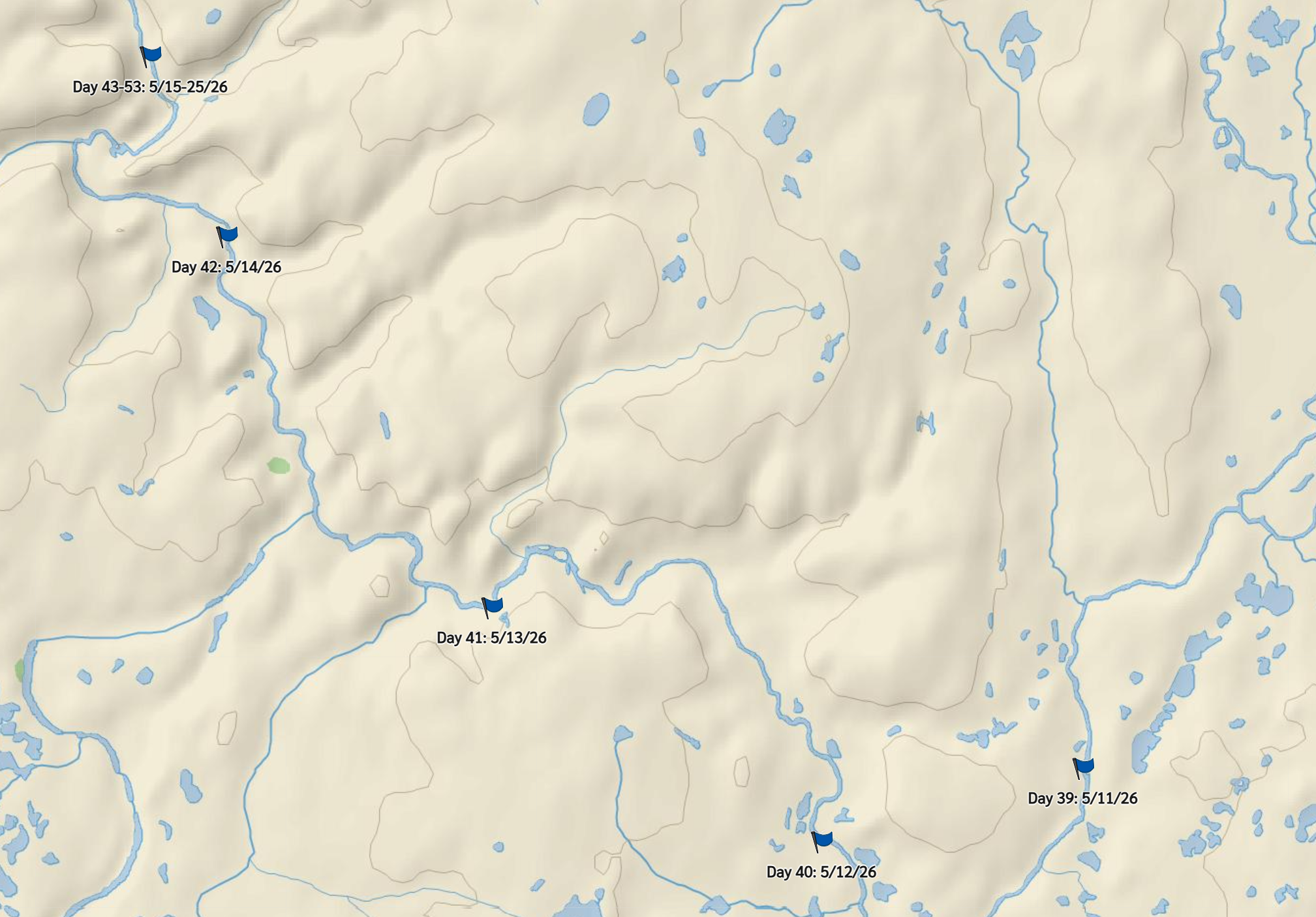
Will’s position is unchanging as the thaw continues and river breakup unfolds on the Horton. Visit Will’s interactive map for complete control of magnification and orientation.
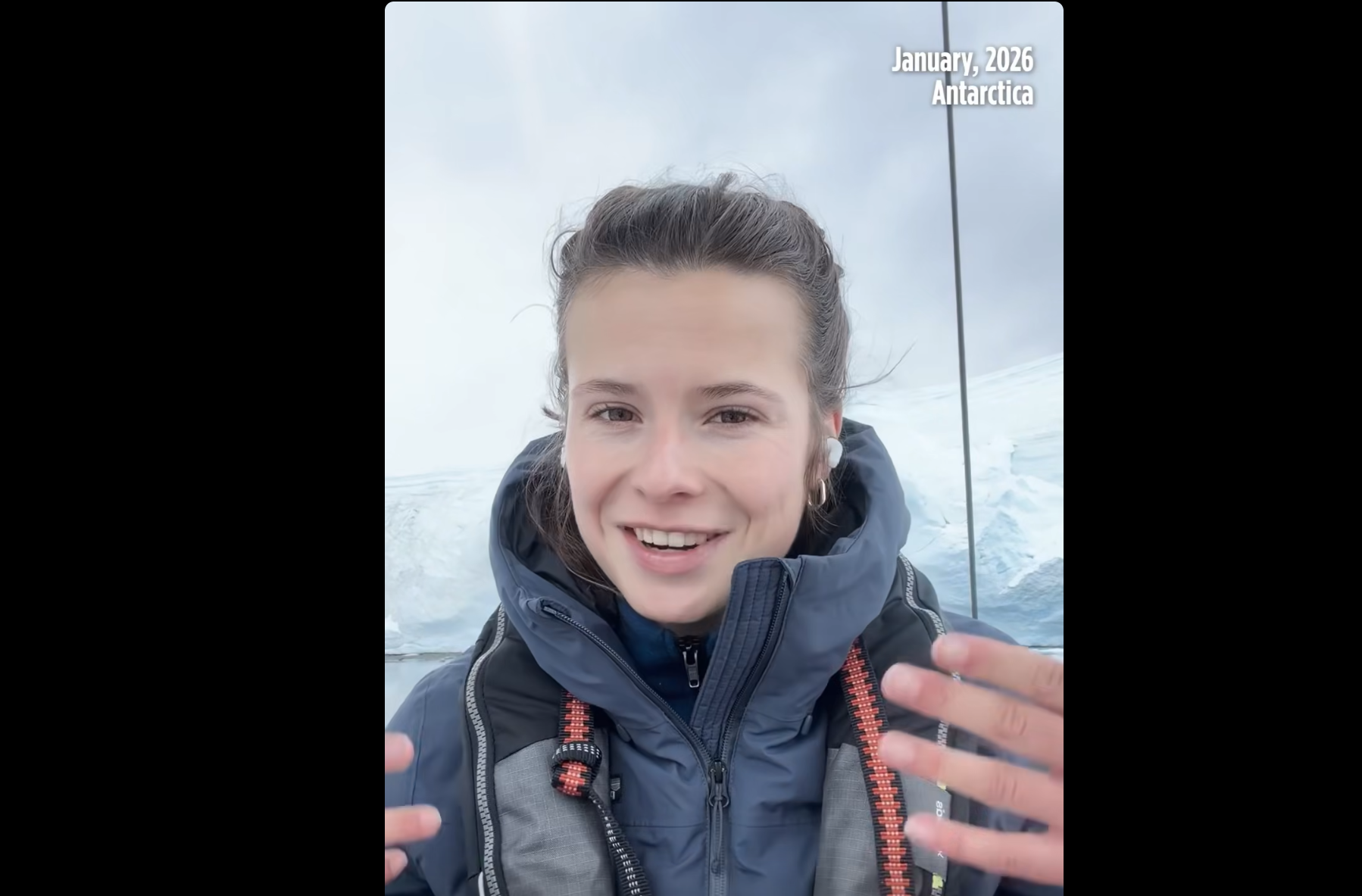
This Facebook reel underlines the importance and lasting effect of the expedition that Will’s remembers in today’s dispatch. 36 years later, Antarctica is still protected by a remarkable treaty that allows new generations of leaders and explorers—such as Luisa Neubauer here—to study and learn from a shared, protected planet. That protection begins with the intention, effort, and goal of a small group of leaders whose vision became an international cause.
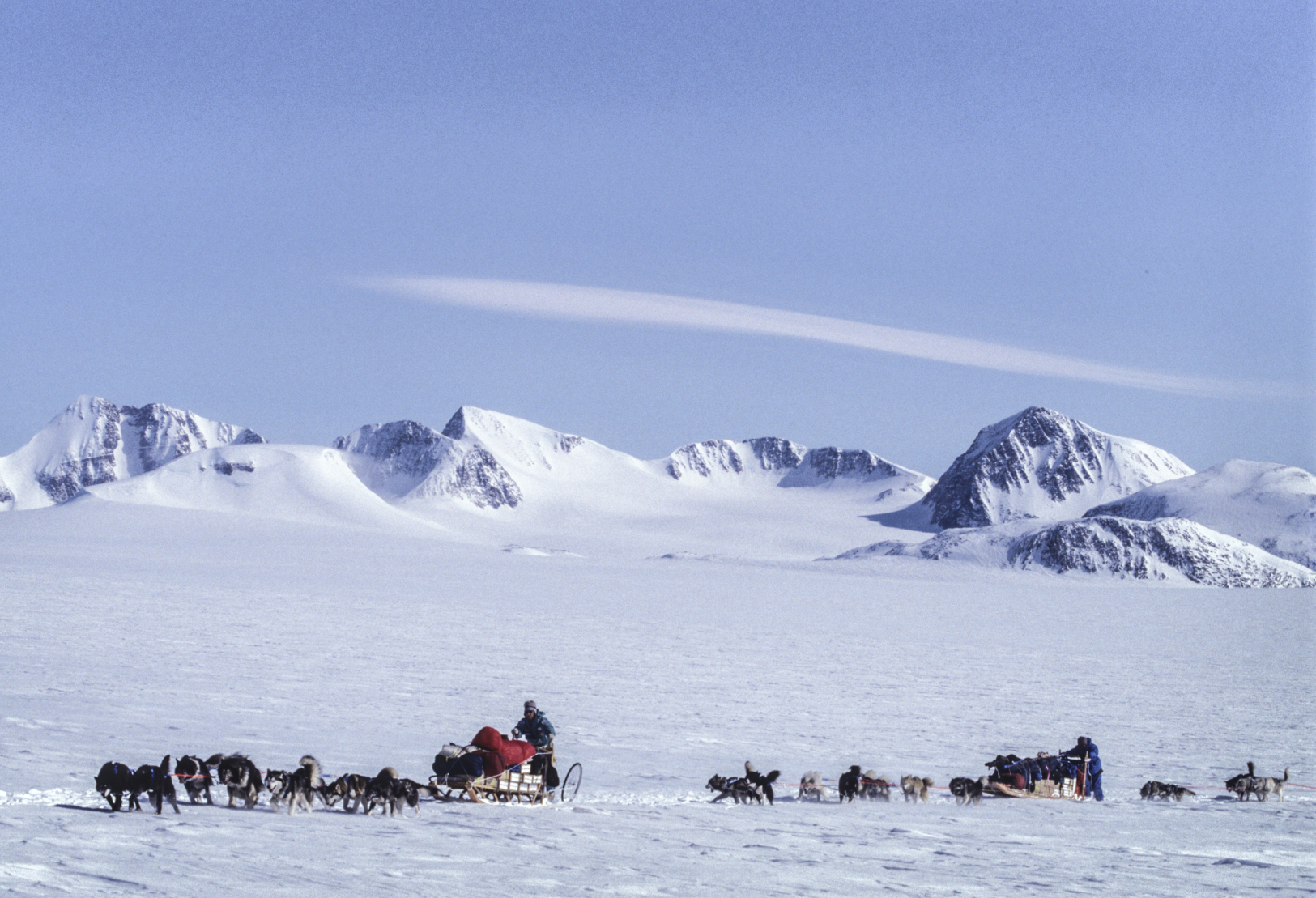
Will’s dispatch reflections are a reminder that no achievement occurs in isolation—it takes teams working together to reach seemingly unattainable objectives.